Professor Pascale Quester visits Swinburne Vietnam, shares Ad Astra 2030 Strategy and Four Quantum Leaps
In the first week of June, Swinburne Vietnam was honoured to welcome Professor Pascale Quester, Vice-Chancellor and President, and Ms Bronte Neyland, Deputy Vice-Chancellor (External Engagement), from Swinburne University of Technology, Australia, during their visit to Vietnam.
The visit took place at Swinburne Vietnam’s Hanoi location on 4 June and Ho Chi Minh City location on 6 June, creating valuable opportunities for direct engagement and meaningful discussions between Swinburne Australia’s leadership team and students, academics, and staff in Vietnam.
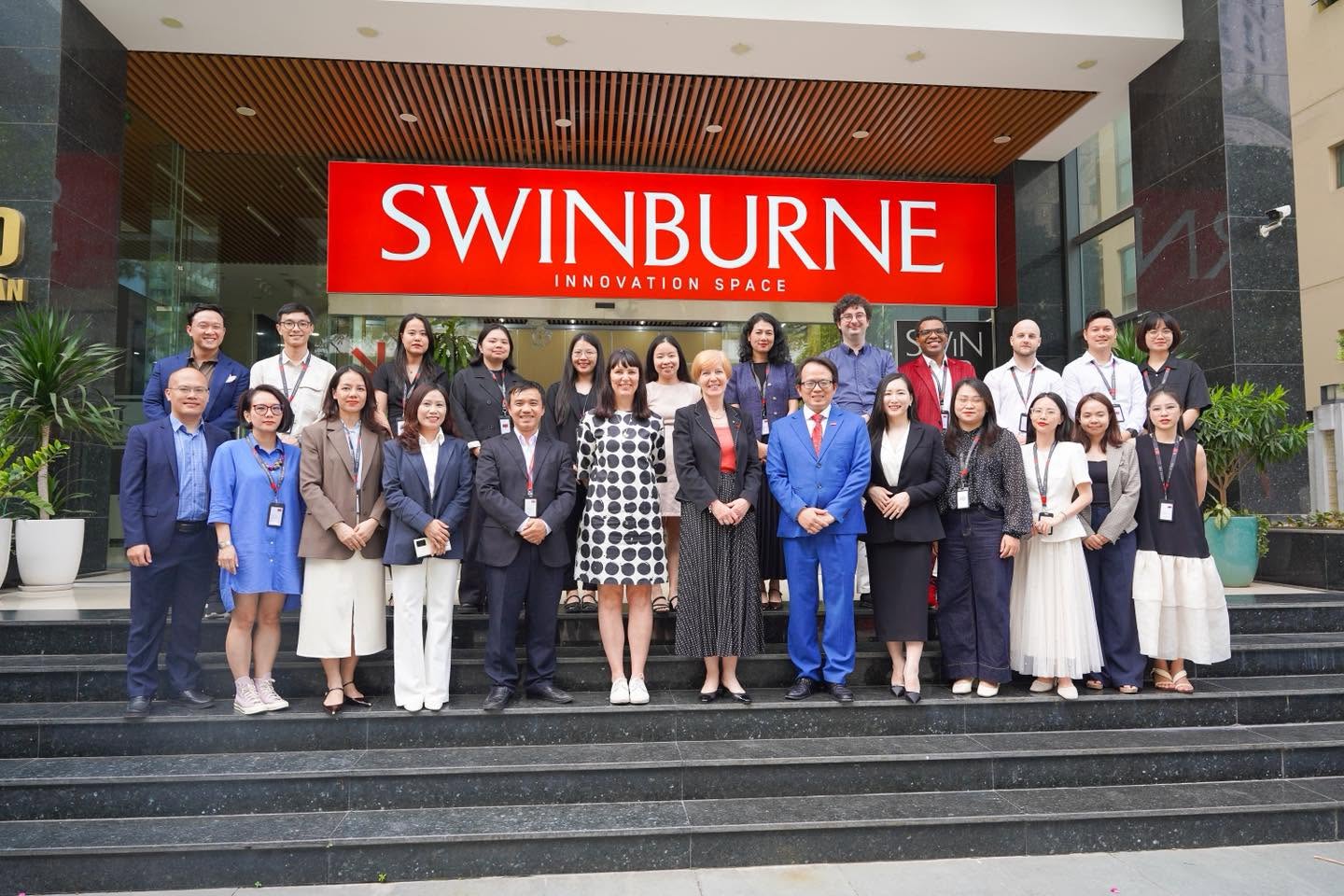
Professor Pascale Quester and Ms Bronte Neyland with Dr David Hoang and the Swinburne Vietnam team during their visit to Vietnam.
Sharing the vision of Ad Astra 2030 and the Four Quantum Leaps
During the visit, Professor Pascale Quester shared Swinburne’s Ad Astra 2030 strategy and the four Quantum Leaps that will guide the university’s development in the years ahead.
The strategy focuses on creating personalised pathways to success for every learner, advancing the integration of technology and artificial intelligence in education, co-creating the industries of the future through innovation and industry partnerships, and strengthening the vision of “The World is Our Campus” — a global learning environment where students and staff can connect, collaborate and thrive across borders.
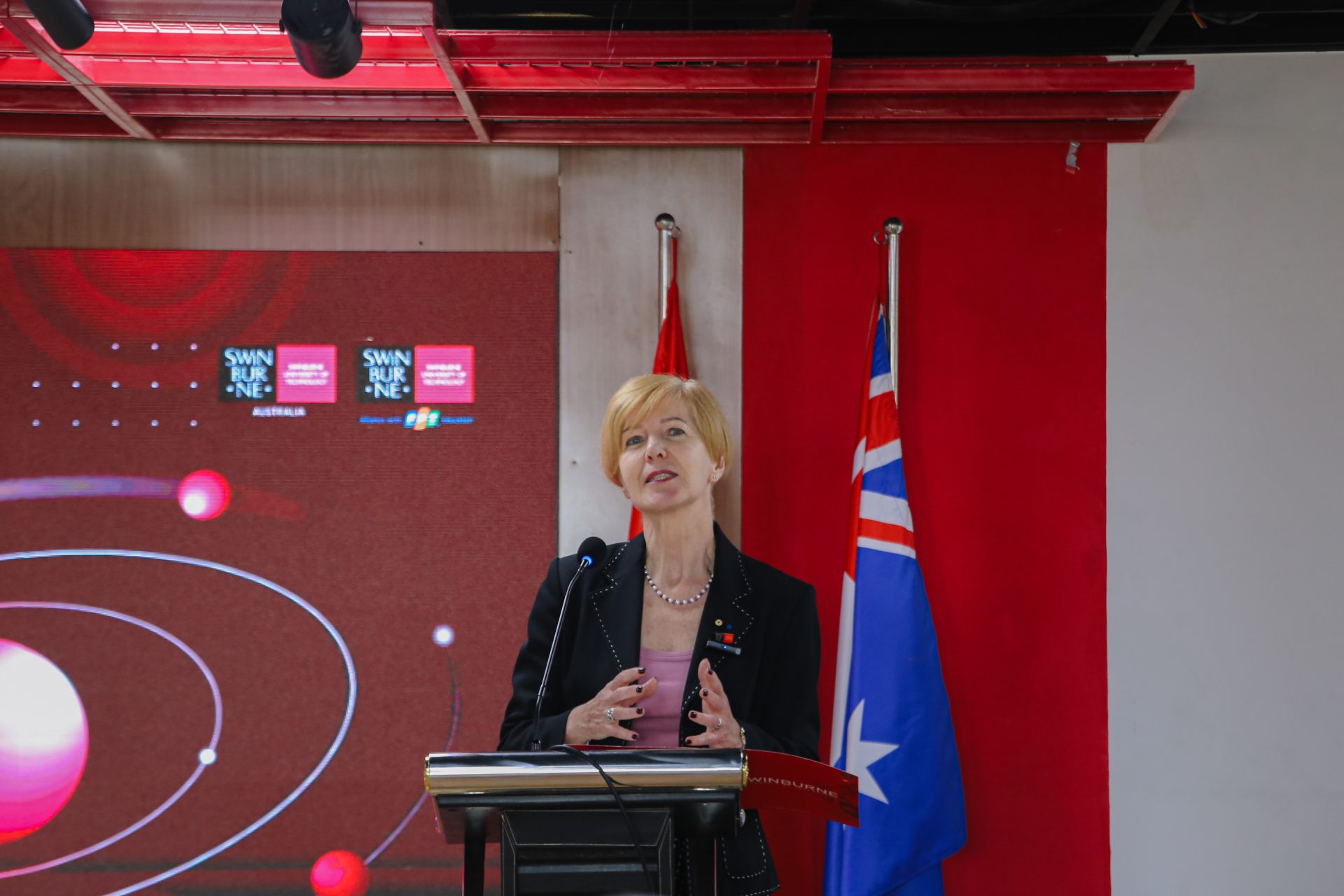
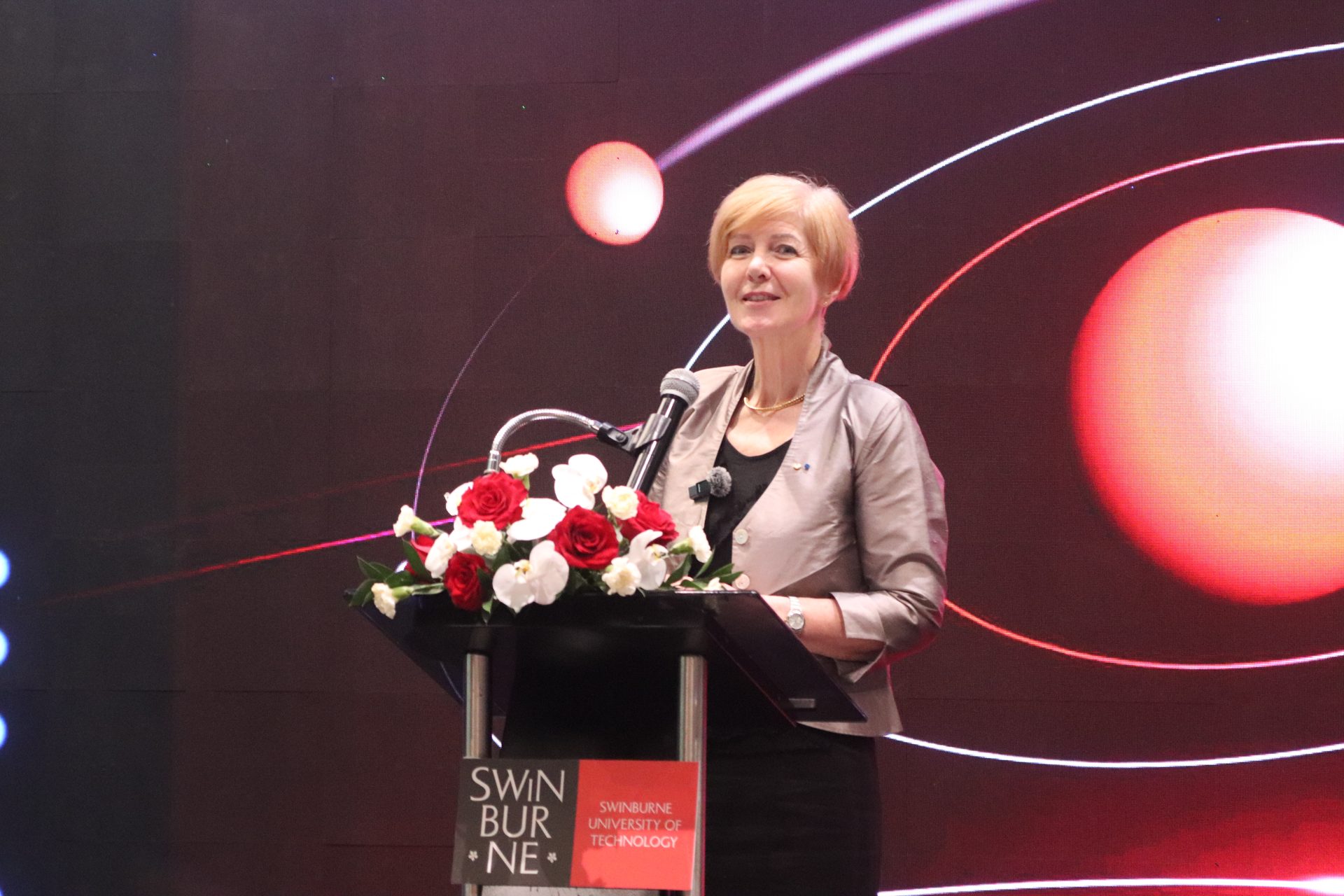
Professor Pascale Quester shared Swinburne’s new global strategy, Ad Astra 2030.
Alongside student engagement activities, the Swinburne Australia leadership team also met with Swinburne Vietnam’s leadership, academic and professional staff to discuss development priorities for 2026–2030, strengthen academic collaboration, and expand international opportunities for students.
These discussions reaffirmed the strong connection between Swinburne Vietnam and the wider Swinburne global network, while opening new possibilities for collaboration in teaching, research and international experiences for students in the years ahead.
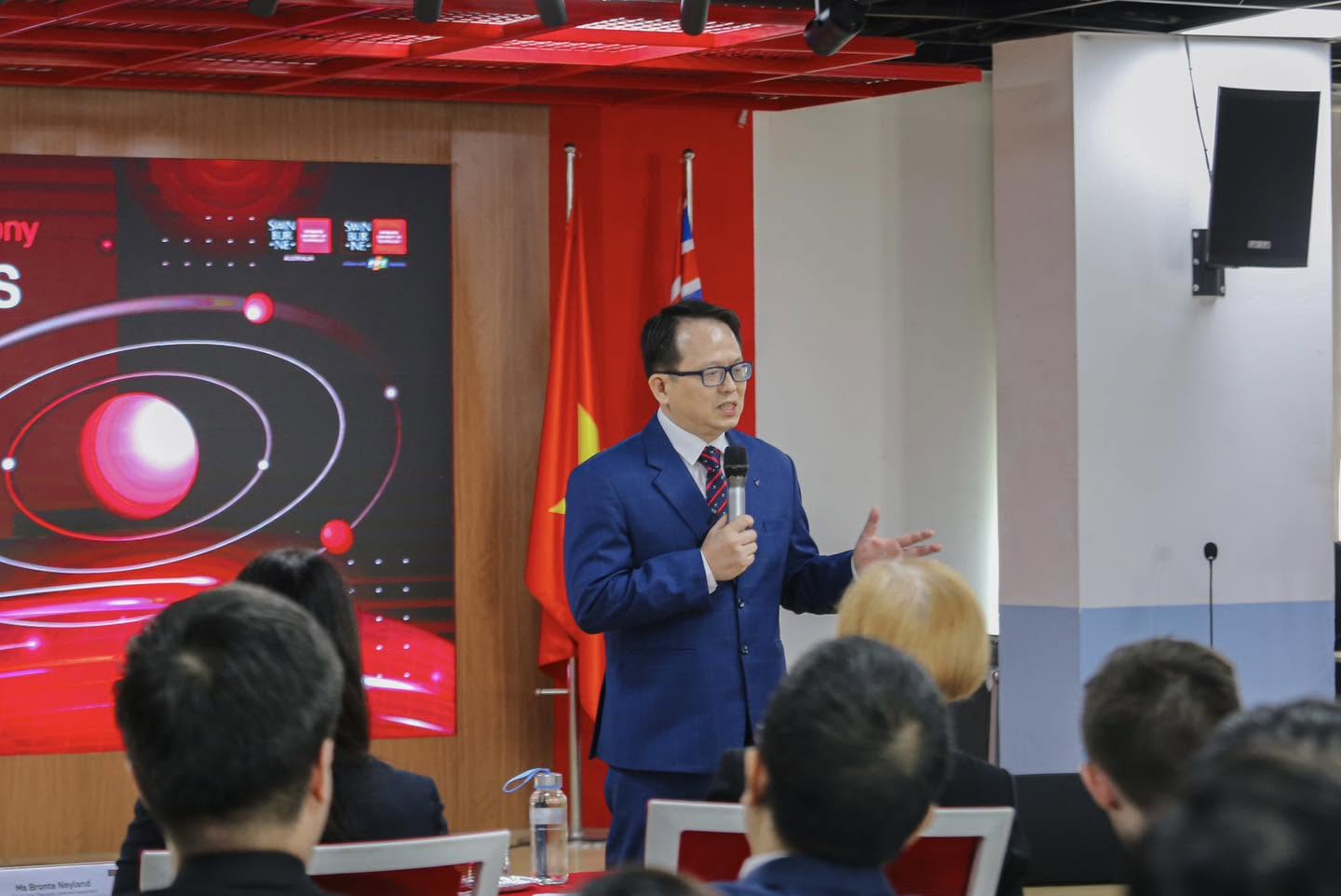
Dr Hoang Viet Ha highlighted Swinburne Vietnam’s commitment to advancing alongside the Ad Astra 2030 strategy
Connecting with students and inspiring a global Mindset
During the open discussion sessions, Swinburne Vietnam students had the opportunity to engage directly with Professor Pascale Quester, asking questions about the future of higher education, the role of technology in learning, and international opportunities available through the Swinburne global network.
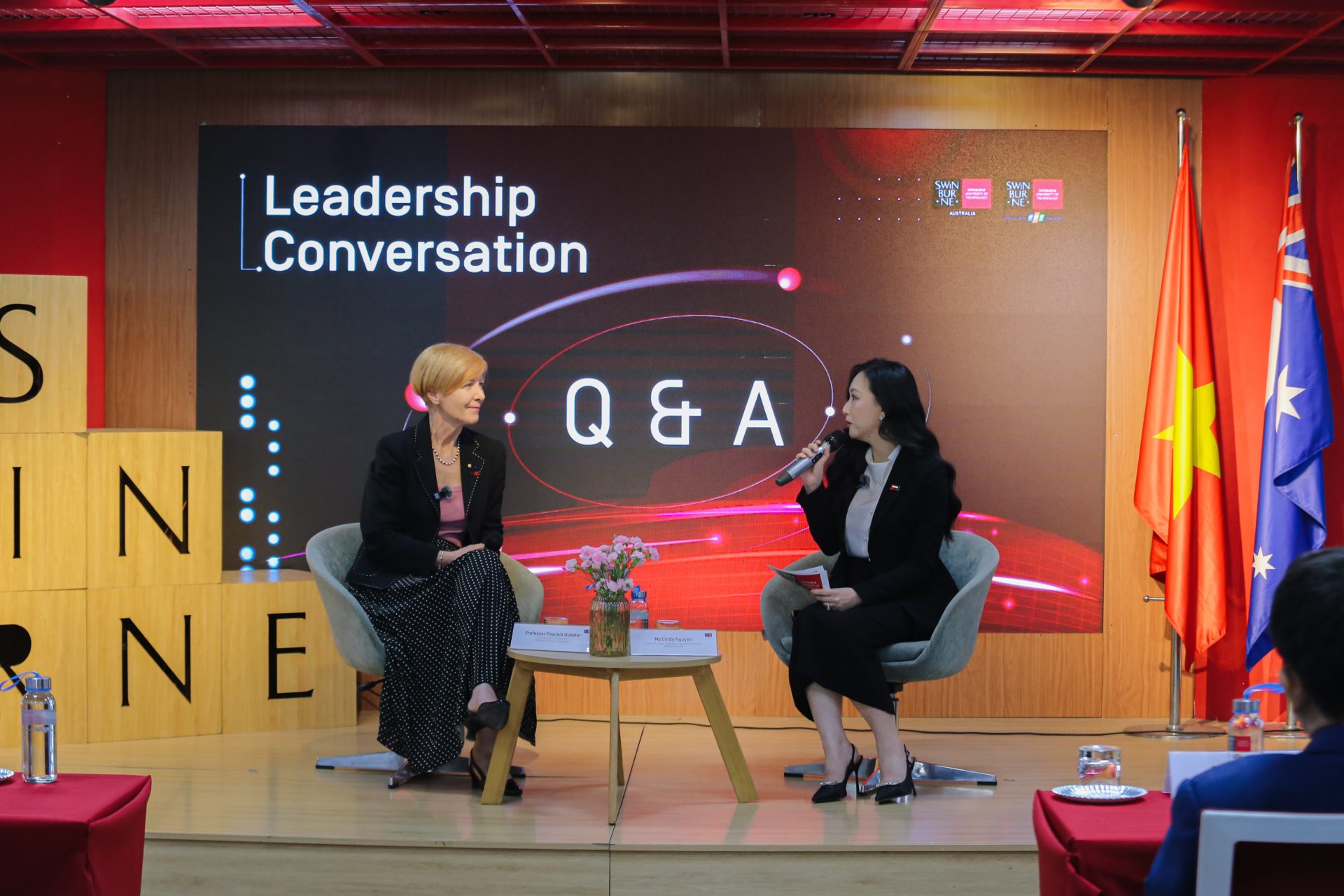
The open Q&A session provided Swinburne Vietnam students with the opportunity to engage directly with Professor Pascale Quester.
Professor Quester also expressed her admiration for the energy, adaptability and ambition of Vietnamese students. She highlighted the important role that young people in Vietnam will play in helping shape Swinburne’s future vision.
Her reflections offered valuable insights into the future of education while inspiring students to embrace technology, take ownership of their learning journeys, and prepare themselves to become global citizens in an increasingly connected world.
A farewell celebration for Professor Pascale Quester
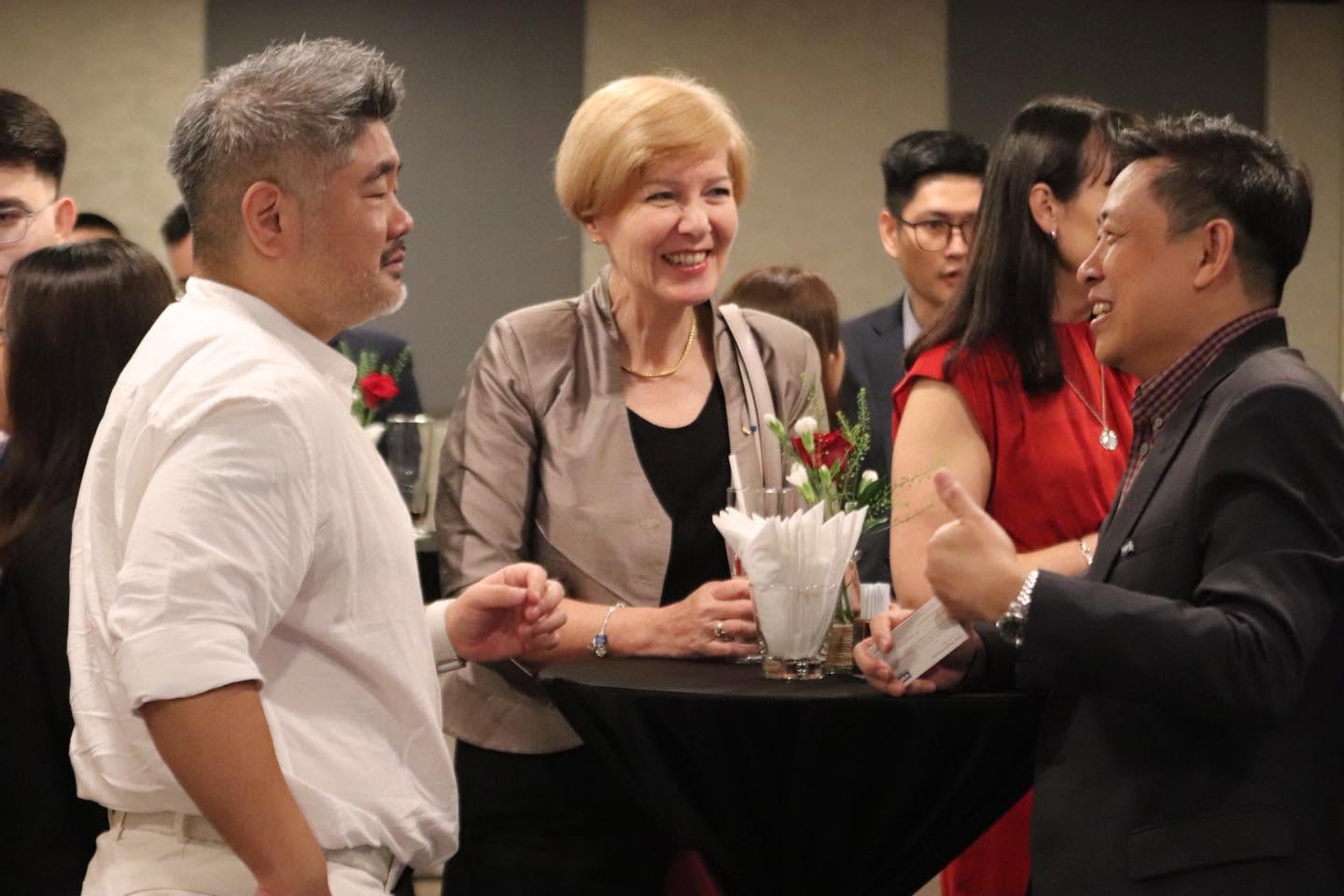
The visit concluded on the evening of 6 June in Ho Chi Minh City, where Swinburne Vietnam hosted a special farewell gathering to honour Professor Pascale Quester as she prepares to conclude her tenure as Vice-Chancellor and President of Swinburne University of Technology.
Warm moments shared during the farewell gathering for Professor Pascale Quester.
The event provided an opportunity for the Swinburne Vietnam community to express gratitude for Professor Quester’s leadership and contributions to the growth of the global Swinburne network, while recognising the lasting impact she has made on the partnership and development of Swinburne Vietnam.
Professor Pascale Quester shared an inspiring vision for the future of Swinburne and the next generation of global learners.
More than a leadership visit, the occasion highlighted the strong and enduring relationship between Swinburne Vietnam and Swinburne Australia, while inspiring students, academics and staff to continue advancing the vision of Ad Astra 2030 and shaping a future defined by innovation, connection and global impact.
Nearly 100 Swinburne students came together for Flames of Youth 2026, a four-day, three-night journey from 6–9 July that took participants from Hanoi to Sa Pa through a series of…
Last May, Recognition Ceremony 2026 took place across Hanoi, Da Nang, and Ho Chi Minh City, bringing the Spring Semester to a meaningful close through inspiring moments of recognition for…
Swinchellasia 2026 has officially taken place in Hanoi, Ho Chi Minh City, and Da Nang, with Can Tho set to host the celebration soon. Returning with a fresh new look,…
From August 15th to 22nd, 2024, Swinburne Vietnam is hosting Orientation Week 2024 (O Week) across its three locations in Hanoi, Da Nang, and Ho Chi Minh City for the…
Congratulations to our first Inaugural Swinburne Graduates (K1). Wishing you great success in your future! It's time to celebrate your achievement and hard work. We are proud of you and…
Hanoi, September 2022 - DataStax, the real-time data company, has partnered with Swinburne Vietnam to help develop data and ICT curriculum, training, and certification modules that will cultivate Vietnam's burgeoning…